National Safety Month 2026 at FINFROCK

June is National Safety Month, an annual observance with the following themes: Moving Safety Forward, Staying Safe on the Roads, Promoting Holistic Worker Health, and Preventing Slips, Trips, and Falls. For FINFROCK, this year’s themes connect directly to the work our teams perform every day across manufacturing, transportation, construction, and field operations.
To recognize Safety Month, we spoke with Jay Rivera, FINFROCK’s Plant Safety Inspector, and Robert Welton, FINFROCK’s Field Safety Supervisor, about practical safety habits, common construction risks, and what it means to keep safety moving forward.
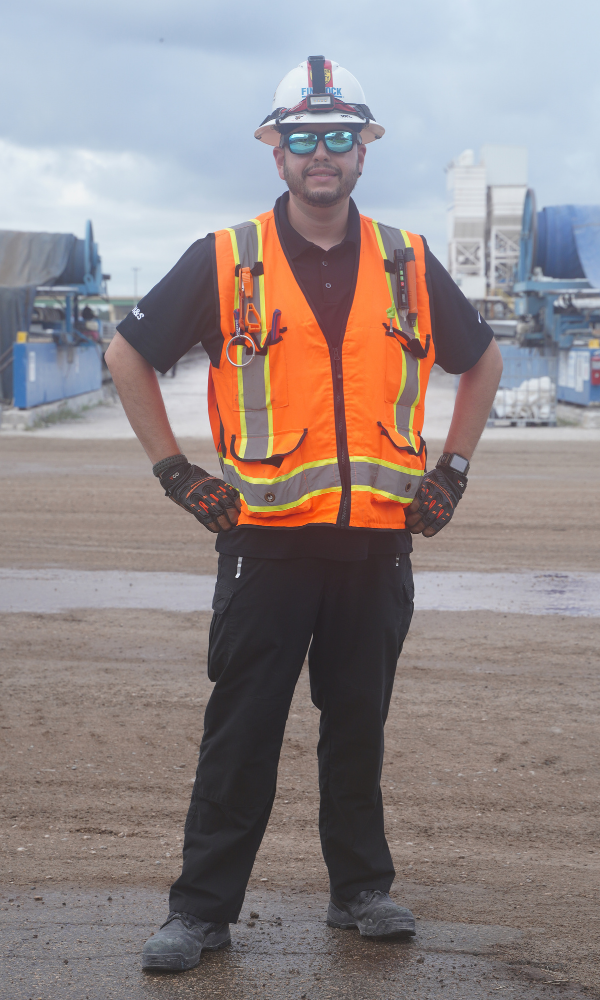
Jay Rivera
Plant Safety Inspector
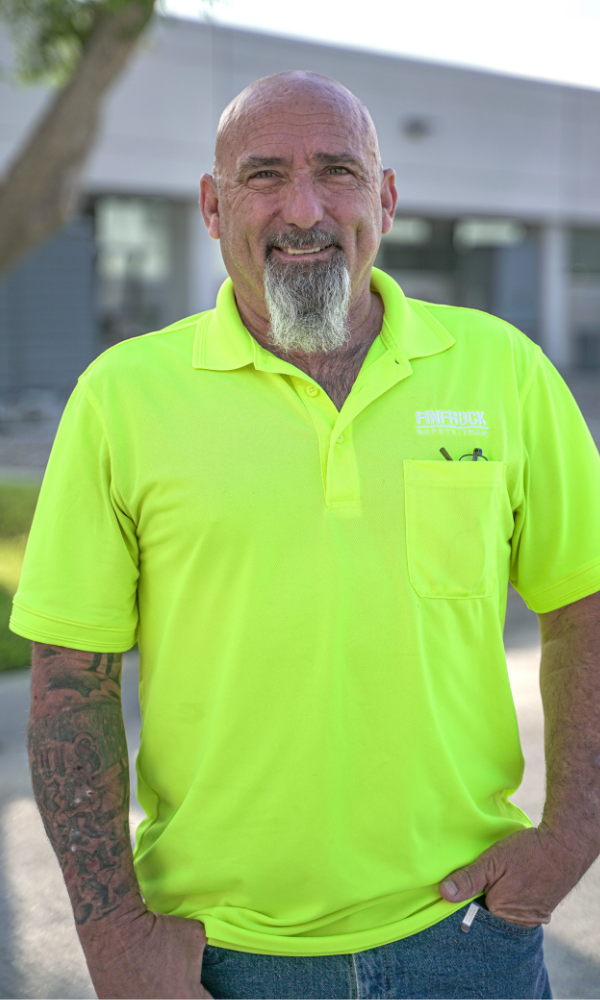
Robert Welton
Field Safety Supervisor
Moving Safety Forward Starts With a Pause
One of the clearest messages from both Jay and Robert is that safety starts before the task begins.
Jay describes this habit as “60 seconds for safety.” Before starting work, he encourages employees to pause and ask, “What can hurt me, and how can I control it?” That short mental check helps employees inspect their tools, review the task, and avoid rushing into work without a plan.
Robert gives similar advice: “Never let routine work become automatic.” Even familiar tasks can change because of weather, site conditions, equipment changes, or nearby activity.
Moving safety forward also means speaking up right away. Jay says employees should stop work “immediately, any time something doesn’t feel safe.” Robert adds that employees should stop when they see an unsafe condition, unsafe behavior, or a situation they do not fully understand.
Preventing Falls and Everyday Hazards
Preventing slips, trips, and falls starts with paying attention to the basics. Robert identifies falls from heights as one of the most common safety issues in construction and says employees should “always wear your fall protection when needed and ensure you inspect your equipment every time you use it.”
Jay points to PPE as the last line of defense between an employee and a hazard. That includes inspecting equipment before use and not overlooking items like safety glasses or face shields.
He also reminds employees to “never stand under a load,” including keeping hands, feet, and other body parts out of the line of fire. Whether in the plant, staging areas, or on the jobsite, small safety habits help prevent serious incidents.
Safety Around Roads, Loads, and Moving Materials
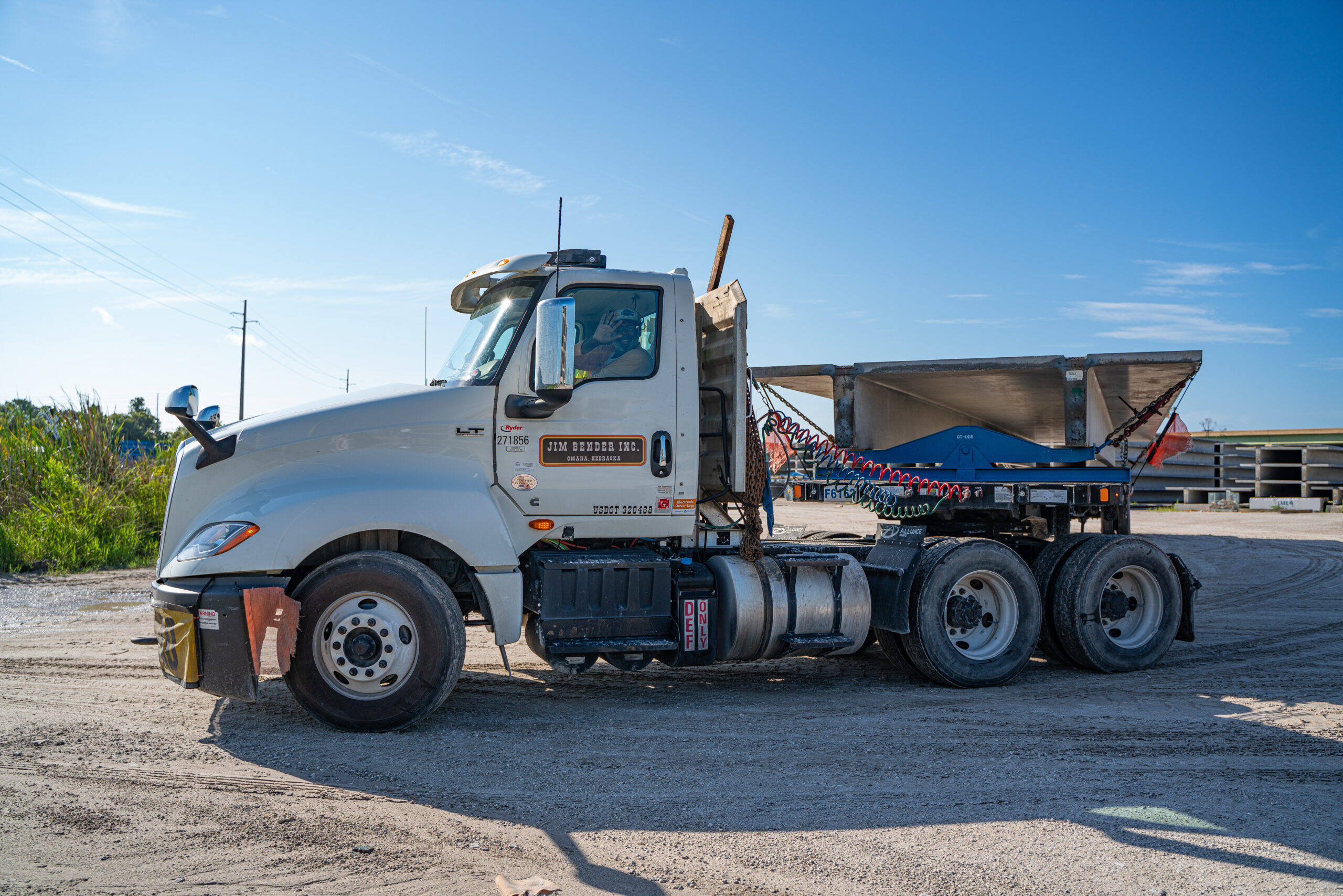
For FINFROCK, road safety is part of project delivery. Large precast components have to be staged, loaded, transported, delivered, and set safely, which requires clear communication between plant teams, logistics, drivers, field crews, and project leaders.
Jay points to the importance of preparing a piece before it is loaded and making sure people are clear before anything moves. Safety is not limited to the road itself. It includes the activity around the load, the people near it, and the communication that happens before movement begins.
Worker Health at Work and at Home
Promoting worker health is a reminder that safety is not just about completing the task. It is about protecting people.
Jay says, “Safety is a mindset that applies everywhere.” The habits employees practice at work, including using the right tools, wearing proper protection, asking questions, and thinking before acting, can also protect them at home.
Robert describes the goal simply: prevent injuries, protect health, and make sure everyone returns home safely each day.
That is the purpose behind every safety practice. It protects employees, coworkers, families, and the communities connected to them.
Learning From the Field
FINFROCK’s safety culture also depends on continuous improvement. Jay says safety starts with planning, preparation, hazard recognition, proper training, the right tools, communication, and accountability.
He also notes that employees are the experts in the work they perform, and their feedback helps the safety program improve over time.
Robert says FINFROCK’s goal is “not just regulatory compliance, but continuous improvement.” That means learning from after-action reports, near misses, site visits, audits, employee feedback, technology, data, and continued education.
By listening to the people closest to the work, FINFROCK can keep improving how safety is planned, practiced, and supported.
Safety Travels With the Work
National Safety Month is a useful reminder, but safety at FINFROCK is a daily responsibility. It shows up in small decisions repeated consistently: pause before the task, inspect equipment, use the right PPE, speak up when something feels wrong, communicate with the crew, and keep learning from the work.
The safest task starts before the work begins. At FINFROCK, that pause helps protect employees through every stage of building delivery.