
Design-Build for Parking Garages: Protecting Capacity, Cost, and Schedule
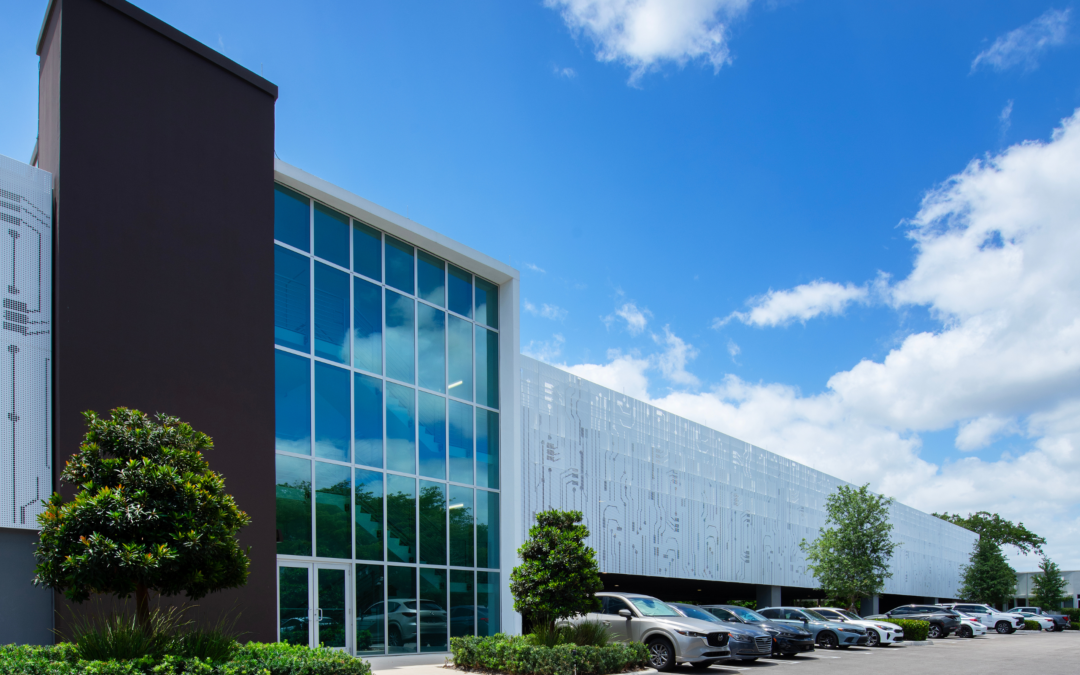
Parking garages are often viewed as supporting structures, but in many projects they determine when occupancy, public access, or campus expansion can begin. Required stall counts influence approvals, revenue timing, and operational flow across private, municipal, and healthcare developments.
When parking sits on the critical path, the delivery model becomes a strategic choice. Design-build integrates structural definition, pricing, procurement, and execution under a single framework. In parking garage construction, traditional Design-Bid-Build separates structural design from installation and sequencing decisions, often resolving coordination after pricing and procurement have begun. That structure improves decision clarity before fabrication begins and reduces downstream exposure once commitments are made. If you are unfamiliar with the fundamentals of design-build, you can read our comprehensive guide here.
This article examines why that distinction matters specifically in parking garage development.
Capacity & Stall Yield in Parking Garage Development
Cost per stall is closely watched in parking garage development, but price alone does not determine performance. In structured parking, usable capacity, circulation efficiency, and long-term functionality define whether the garage delivers what was approved and underwritten.
Design-build changes how those variables are confirmed. Instead of advancing a structural concept and resolving capacity conflicts after pricing or approvals, stall yield, structural system selection, installation strategy, and procurement timing are evaluated together before structural commitments are finalized. That reduces the likelihood of late revisions that affect usable stall count or overall layout performance.
Aligning Layout Efficiency With Operational Requirements
For private developers, that means stronger confidence in revenue projections tied to occupancy. For municipalities and healthcare systems, it protects approved capacity targets that influence public access and operational flow.
In parking garage development, capacity is not flexible once construction begins. A delivery structure that validates yield, constructability, and cost together provides clearer control before those decisions become difficult to reverse.
Cost Per Stall and Capital Predictability in Structured Parking
Parking garages are material-intensive structures delivered early in the construction timeline. Because they often represent a significant portion of initial project cost, uncertainty at this stage directly affects financing assumptions and capital deployment.
Improving Cost Per Stall Forecasting Through Early Validation
Design-build strengthens cost predictability by tying structural decisions to real execution strategy before pricing is finalized. Instead of developing a structural concept and reconciling constructability later, fabrication approach, installation pacing, procurement timing, and structural system selection are evaluated together. That reduces the gap between budget projections and executable cost.
Controlling Procurement and Escalation Exposure
For private developers, that means tighter underwriting confidence and reduced exposure to escalation once fabrication begins. For municipalities and healthcare systems operating under fixed approvals or bond allocations, it supports clearer forecasting in environments with limited tolerance for overruns.
In parking garage development, cost control is not simply about reducing price. It is about reducing variance. A delivery model that aligns structural definition with procurement and execution provides stronger financial certainty before capital is committed, maximizing ROI potential for parking garages.
Owners evaluating structured parking performance often look beyond construction cost alone to long-term profitability drivers, including utilization, lifecycle performance, and capital strategy.
Schedule Certainty for Parking Garage Occupancy and Public Access
In many developments, the parking garage determines when the rest of the project can open. Required stall counts are tied to occupancy approvals, tenant activation, or campus expansion. If the structure slips, revenue generation or public access shifts with it.
Protecting Critical Path Milestones in Parking Construction
Design-build improves schedule confidence by reducing the separation between structural definition and execution planning. Instead of finalizing design and then resolving sequencing, procurement, and installation strategy later, those variables are evaluated together before fabrication begins. That approach limits the likelihood of revisions after structural commitments are made, which is where schedule drift often occurs.
Supporting Public Opening Dates and Campus Activation
For private developers, earlier schedule certainty supports lease-up timing and return projections for multifamily projects. For municipalities and healthcare systems, it protects public opening dates and operational planning that may already be communicated to stakeholders.
Parking garages are rarely decorative elements. They are enabling infrastructure. A delivery structure that strengthens predictability in when the garage will be operational directly supports the broader project timeline.
Risk Allocation and Accountability in Parking Garage Construction
Parking garages sit at the intersection of structural performance, public function, and financial commitment. When questions arise around structural interpretation, capacity changes, constructability, or cost impacts, the resolution path matters.
In fragmented delivery models, responsibility for design intent and construction execution is divided. When conflicts surface, owners can find themselves navigating clarification processes between separate contracts. Even when issues are resolved, the time required to determine responsibility can affect schedule and confidence.
Centralized Responsibility in Structural Decision-Making
Design-build centralizes accountability. Structural definition, pricing, procurement, and execution operate within a single contractual framework. If adjustments are required, resolution occurs within that structure rather than across organizational boundaries.
Limiting Dispute-Driven Schedule and Cost Exposure
For private developers, that reduces management burden and limits exposure to dispute-driven delay. For municipalities and healthcare systems, it simplifies oversight in projects where public transparency and operational continuity are critical.
In parking garage development, where structural scope is front-loaded and highly visible, clear responsibility is not a minor administrative benefit. It plays a direct role in how construction risk is allocated, managed, and ultimately reduced throughout the life of the project.
Parking Garages as Enabling Infrastructure
Parking garages are rarely standalone projects. They enable occupancy, public access, campus growth, and economic activity. When capacity underperforms, schedules shift, or cost projections move, the broader development absorbs the impact.
Because parking structures are typically early, capital-intensive scopes with direct operational consequences, the delivery model carries weight beyond construction efficiency. It influences revenue timing, public accountability, and long-term usability.
Parking as a Revenue and Access Driver
Design-build does not change the structural demands of parking garages. It changes how decisions are validated before those demands are locked in, providing undeniable benefits. For projects where stall yield, budget stability, and opening timelines matter, that distinction is strategic.
When parking determines what opens next, the approach to delivering it should reflect that importance.
Case Studies: Design-Build for Parking Garages in Practice
AdventHealth Rothman Tower: Capacity and Access Under Operational Constraints
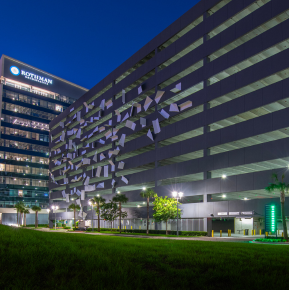
In healthcare environments, parking capacity and access continuity cannot be compromised once expansion plans are announced. At AdventHealth Orlando’s Rothman Orthopaedic Institute expansion, the 1,610-stall garage was not a secondary
structure. It enabled patient access to the new medical tower.
Because the garage was delivered under a design-build structure, capacity targets, structural definition, and installation sequencing were validated before fabrication began. That early certainty protected approved stall counts and ensured the garage opened in alignment with the adjacent tower construction. For a hospital campus, that meant expanded access without operational disruption.
The project illustrates how, in healthcare parking, the delivery structure directly influences schedule certainty, capacity reliability, and long-term parking performance.
City Center: Schedule Discipline and Commercial Activation for Mixed-Use Development
In high-density commercial districts, structured parking often determines when tenants 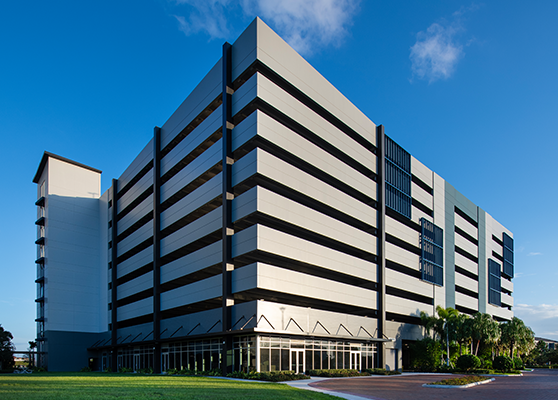 can fully activate. At O-Town West’s City Center development, the 2,036-stall garage supported office users, retail traffic, and surrounding amenities.
Delivered in under ten months, the structure required schedule discipline tied to fabrication pacing and installation strategy. Operating as design-builder and precast manufacturer, FINFROCK aligned structural definition with procurement and erection sequencing early in the process. That integration reduced revision risk after detailing and supported the district’s commercial timeline.
In mixed-use parking development, schedule certainty translates directly to revenue activation. This project demonstrates how delivery alignment influences that outcome.
Build Parking with FINFROCK
Parking garages demand more than structural execution. They require confidence in capacity, cost, schedule, and accountability before construction begins. Through its vertically integrated design-build model and in-house precast manufacturing, FINFROCK approaches structured parking as enabling infrastructure—aligning engineering, fabrication, and construction to deliver high-capacity garages that support occupancy, public access, and long-term performance across private, municipal, and healthcare development. Interested in working with us? Contact us to learn more!